• Skip to main content
  • Skip to footer

Appalachian Mountain Club (AMC)

Weather Become a Member Booking Book a Stay Leave No Trace (LNT) for Trekking Poles Donate Shop Shop Contact Contact Us
Search
  • Destinations
    • Maine
      • Medawisla Lodge & Cabins
      • Gorman Chairback Lodge & Cabins
      • Little Lyford Lodge & Cabins
      • Moose Point Cabin
      • Mountain Brook Cabin
      • Knubble Bay Camp
      • Beal Island Campground
      • Echo Lake Camp
    • Massachusetts & Connecticut
    • New Hampshire
    • High Mountain Huts
    • New Jersey & New York
    • Western US
    • Group Reservations
  • Adventures
    • Adults
    • Women’s+
    • Teens
    • School Groups
    • Guided Trips
    • Adventure Travel Worldwide
  • Get Involved
    • Become a Member
    • Renew Your Membership
    • Become a Volunteer
    • Donate
    • Support Your Trails
  • Community
    • Chapters
    • Major Events
    • Local Outings
    • Outdoor Skills & Leadership Trainings
    • Outdoor Journey Fund
  • Conservation
    • Our Priorities
    • Our Approach to Conservation
    • Maine Woods Initiative
    • How You Can Help
    • Trails & Recreation Management
    • StoryMaps
  • Resources
    • AMC Outdoors Blog
    • Bucket List Trips
    • Books & Maps
    • Appalachia Journal
    • Library & Archives
    • Weather & Trail Conditions
    • FAQs
  • About Us
    • Leadership & Financials
    • All Out: AMC Action Plan 2025-2030
    • A Welcoming Community
    • Careers
    • Brand Partners
    • Contact Us

Support the Outdoors

Other Ways to Give

  • Membership
  • Volunteer
  • Legacy Giving
  • Memorial and Honorary Gifts
  • Special Initiatives
  • Corporate Sponsorship
  • President’s Society
Close support popup

Leave No Trace (LNT) for Trekking Poles

By AMC Staff,

trekking poles

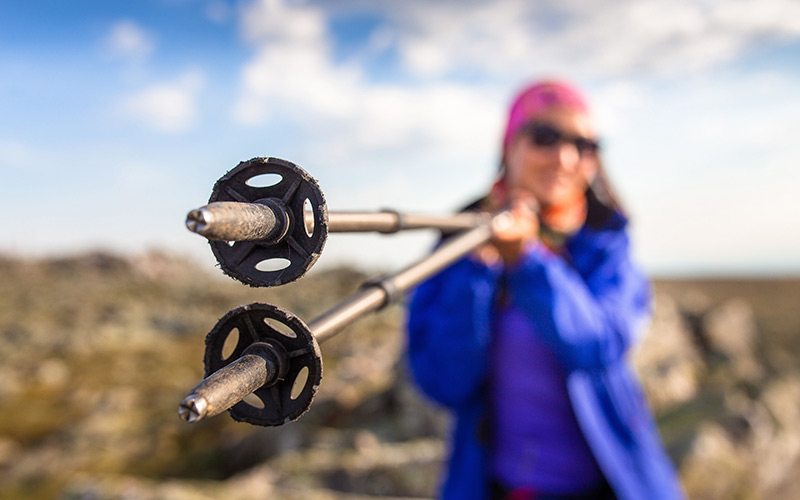
LNT best practices for trekking poles start with putting caps on those rough metal tips.


Extensive use of trekking poles on popular trails can tear up soft soil, damage trailside vegetation, and scar rocks. The good news is, you can reduce those damaging effects by following a few best practices.

  • Be mindful of the potential environmental and visual impacts where you plant your poles.
  • Don’t use trekking poles when you don’t need them and avoid using them in soft conditions, such as mud or loose dirt, where your poles could leave a trail of devastation in your wake.
  • Use rubber tips when possible. The metal carbide at the ends of trekking poles can leave unsightly scars, but most poles can be fitted with an accessory pair of rubber tips. These provide ample traction in typical conditions. Just make sure they fit securely so you don’t accidentally leave one behind on the trail.
  • Consider removing the baskets at the end of the poles in areas of dense vegetation. While baskets can be helpful in snow or on other loose ground, they are notorious for snagging and damaging surrounding plants.


Share this post:
  • Facebook
  • Pinterest
  • Twitter
  • Linkedin
  • RSS
AMC logo

10 City Square
Boston, MA 02129

  • Destinations
  • Get Involved
  • Resources
  • Conservation
  • Community
  • Careers
  • AMC Press Room
  • Email Signup
  • Log In to MyOutdoors
Weather and Trail Conditions Weather & Trail Conditions Book Now Book Now Support Support the Outdoors Shop Shop Contact Us Contact Us Help Center AMC Help Center About AMC About AMC AMC Business AMC Business
Guide Star
One Percent for the Planet
Charity Navigator

instagram
facebook
youtube
bluesky
tiktok

Policies Terms of Use Web Accessibility Site Map

The Appalachian Mountain Club is a nonprofit, tax-exempt charitable organization (tax identification number 04-6001677) under Section 501(c)(3) of the U.S. Internal Revenue Code. AMC operates under several special permits and leases, including in the White Mountain National Forest, New York Palisades Interstate Park Commission, and New Hampshire State Parks.

Copyright © 2024, Appalachian Mountain Club